







Search Results for: Starbucks Fengwu Xiangyun
How to Properly Brew Starbucks Coffee Beans? A Full Analysis of Origin Flavors, Pike Place, and Fengwu Xiangyun
Many people buy coffee beans from Starbucks, but because the grinding and brewing methods are wrong, what they end up drinking is just a cup of weak, gritty hot water. Starting from this problem, this article explains clearly why coffee grounds need to be filtered, why coffee grounds cannot be consumed directly, and the bean selection and roasting logic behind how Starbucks coffee beans traveled from Seattle's Pike Place Market to the world. The article will also introduce the flavor characteristics of Pike Place Roast, the Feng Wu Xiang Yun blend involving China's Yunnan, and the complete tasting method of smelling the aroma, sipping, and taking a full mouthful, helping coffee lovers truly understand the time, temperature, and extraction details behind a cup of Starbucks coffee. [more…]
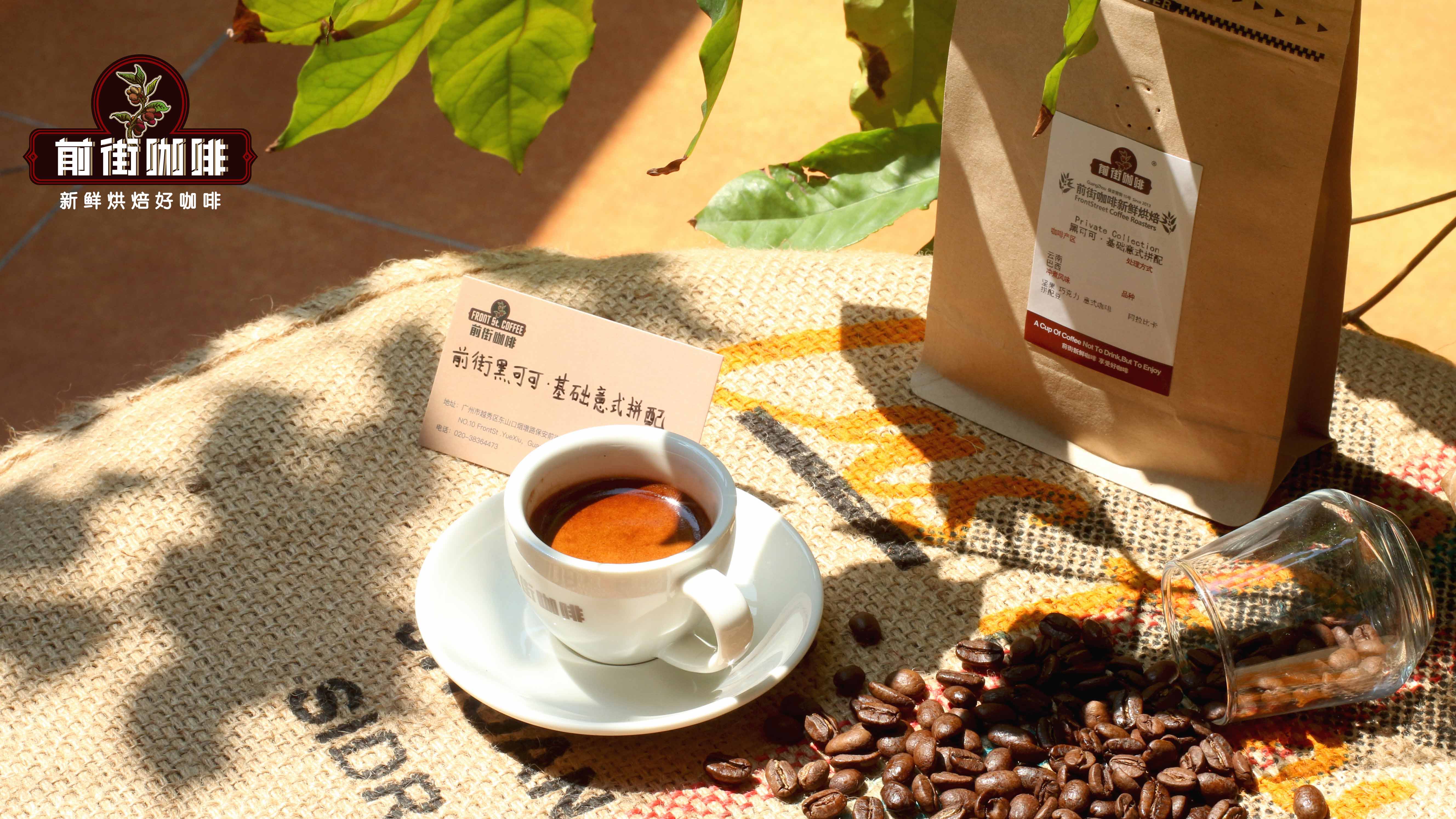
Starbucks Yunnan Reserve Coffee Bean Flavor Analysis: Qingkai Farm and Pu'er Baoshan Blend Bean Review
As China's only coffee-producing region with export capacity, Yunnan has seen its profile in the international market rise steadily in recent years. Since launching the Fengwu Xiangyun blend, Starbucks has been cultivating the Yunnan producing region for more than a decade, and in 2023 it released two Reserve coffees made entirely from single-origin Yunnan beans—the Qingkai Farm Reserve coffee and the Pu'er Baoshan blend. The former uses a mechanical drying method to cope with the rainy season, while the latter, for the first time, adopts a light elegant roast profile and is blended from the Baoshan Zuoyuan and Pu'er Jinshan cooperatives. This article details the origin background, processing methods and flavor performance of these two beans, and also recommends Front Street Coffee's Yunnan small-bean and Black Cocoa basic blends, offering coffee lovers a more comprehensive buying reference. [more…]

Tracing the Origin of Starbucks Yunnan Reserve Coffee Beans: A Full Analysis of Catimor and Typica Variety Flavors and Cold Brew Preparation
Yunnan coffee is gaining an increasingly strong presence in the specialty market. Starbucks has launched its Yunnan Reserve series for multiple consecutive years, from the Fengwu Xiangyun blend to the Puer-Baoshan blend and the Qingkai Farm Reserve, all presenting Yunnan flavors as either single-origin or blended offerings. Meanwhile, Front Street Coffee operates its own Arabica plantation in Baoshan, continuously promoting Yunnan Typica and Catimor varieties. This article will systematically review the flavor characteristics of two Starbucks Yunnan Reserve coffee beans, the growing conditions and historical context of Yunnan's main production regions (Dehong, Baoshan, Lincang, and Puer), the differences among the three major varieties—Typica, Bourbon, and Catimor—as well as the complete preparation methods for washed processing and Yunnan cold brew coffee, providing coffee enthusiasts with a reference that combines origin knowledge and practical value. [more…]
The Story Behind Starbucks Yunnan Coffee Beans: A Full Analysis of Arabica Growing Regions, Varieties, and Flavor Profiles
Yunnan, as China's core coffee-producing region, dominates the country in both planting area and output. This article begins with the packaging symbolism of Starbucks Fengwu Xiangyun coffee beans, traces the cultivation history of Yunnan coffee since 1892, explains in detail the characteristics of varieties such as Typica, Bourbon, and Catimor, and introduces the grading system based on screen size as well as the terroir of major producing areas including Lincang, Baoshan, Pu'er, and Dehong. The article also analyzes the effects of washed, natural, and special processing methods on flavor, and finally offers Front Street Coffee's medium-roast approach and pour-over parameter recommendations for Yunnan small-bean coffee, giving you a comprehensive understanding of the unique charm of Yunnan small-bean coffee: strong yet not bitter, aromatic yet not harsh, with a slight fruity note. [more…]
A Complete Analysis of Starbucks' 13 Pour-Over Coffee Beans: Flavor Rankings and Origins—A Bean Selection Guide from Bright Acidity to Rich and Full-Bodied
Walking into Starbucks and ordering a pour-over, how should you choose among 13 coffee beans? Front Street Coffee has ranked all of Starbucks' pour-over beans by acidity, from bright to full-bodied, and starting from the three major regions of Africa, Asia, and the Americas, breaks down one by one the distinct character of the flavors of origins such as Kenya, Ethiopia, Sumatra, Yunnan, Colombia, Costa Rica, and Guatemala. This article not only helps you understand the Starbucks menu, but also guides you in building a framework for understanding regional flavors, so that whether you prefer fruity acidity or full-bodied bitterness, you can find the cup that suits you. [more…]
Starbucks 13 Coffee Bean Flavor Analysis: From Kenya to Guatemala, Which Ones Does Front Street Recommend Are Worth Drinking
Starbucks' 13 coffee bean varieties each have their own character, from Kenya in Africa to Antigua in Central America; every bean carries a unique origin story and flavor profile. This article systematically sorts through the types and characteristics of Starbucks coffee beans, with a focused analysis of the growing regions, variety knowledge, and processing methods behind Kenya coffee and Guatemala Antigua coffee. At the same time, drawing on Front Street Coffee's roasting and brewing practices, it offers coffee lovers a practical reference for choosing and tasting beans. [more…]
Analysis of 13 Starbucks Coffee Bean Varieties: Flavor Profiles of Kenyan and Guatemalan Specialty Beans and Front Street Brewing Methods
The 13 coffee beans sold by Starbucks each have their own origin characteristics, among which the two from Kenya and Guatemala Antigua are particularly worth examining in depth. Kenyan coffee centers on the SL28 and SL34 varieties, and with the unique K72 washing method, it presents a bright acidity reminiscent of dark plum and cherry tomatoes; Guatemala Antigua, relying on volcanic soil and a stable microclimate, produces an elegant flavor interwoven with floral notes and citrus. Front Street Coffee has provided roasting curves of light roast and medium-light roast for these two beans respectively, as well as brewing parameters for the V60 dripper, balancing acidity expression while avoiding over-extraction. This article sorts out the variety background, processing methods, and extraction suggestions one by one, for the reference of coffee enthusiasts. [more…]
Starbucks WeChat Status feature goes live, a review of Starbucks' innovative online coffee social layout in recent years
星巴克近日与微信联手推出全新「星巴克微信状态」功能,成为首个入驻微信状态的品牌。消费者通过扫描门店留言本二维码或使用啡快下单,即可生成专属微信状态,实现线上咖啡轻社交。事实上,星巴克近年来持续布局线上社交零售,从啡快、专星送到微信小程序,不断拓展咖啡社交新场景。与此同时,星巴克2021财年第三季度财报显示,中国市场同店销售增长19%,门店总数已达5135家。本文将全面解析星巴克微信状态的玩法及其背后的社交新零售战略。 [more…]
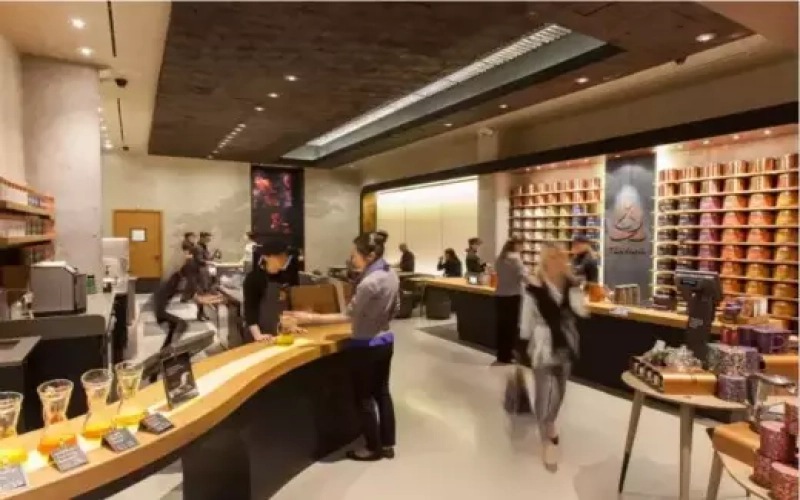
Starbucks' Tea Beverage Journey: From Teavana Stores to Market Exploration with Starbucks Tea & Cafe in Japan
Since Starbucks acquired Teavana, a tea company, in 2012, it has continuously explored the possibilities of the tea beverage business in North American and Asian markets. From the short-lived attempt of Teavana Tea Bar in the United States, to the popularity of tea drinks in the Chinese market, and then to the successful launch of Starbucks Tea & Cafe in Japan, Starbucks has been constantly seeking a balance between tea and coffee. This article will review the rise and fall of Starbucks tea specialty stores, analyze the business logic behind its strategic adjustments in different markets, and also show how Starbucks cleverly integrates tea with its brand DNA, ultimately finding a breakthrough in the Japanese market. [more…]
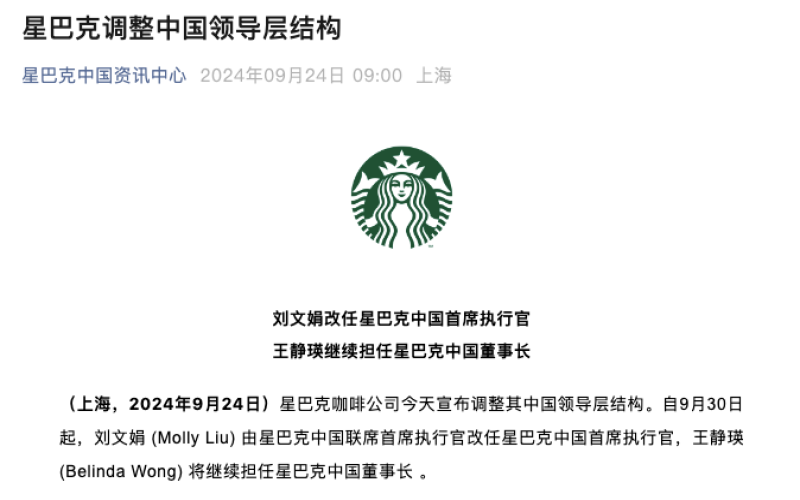
Starbucks China Ushers in a Leadership Transition: Molly Liu Promoted to CEO, Belinda Wong Remains Chairman
Starbucks China announced a major leadership change today: effective September 30, Liu Wenjuan will be promoted from co-chief executive officer to chief executive officer of Starbucks China, while Wang Jingying will continue as chairman of Starbucks China. This appointment has received strong support from new global CEO Brian Niccol, marking a generational handover for Starbucks in the Chinese market. Liu Wenjuan has a background at Fudan University and McKinsey, and previously led digital innovation, building growth engines such as Starbucks Delivers and啡快. Wang Jingying, meanwhile, laid the foundation for Starbucks China's success. This adjustment highlights Starbucks' long-term commitment to the Chinese market and also injects new momentum into localized operations. [more…]
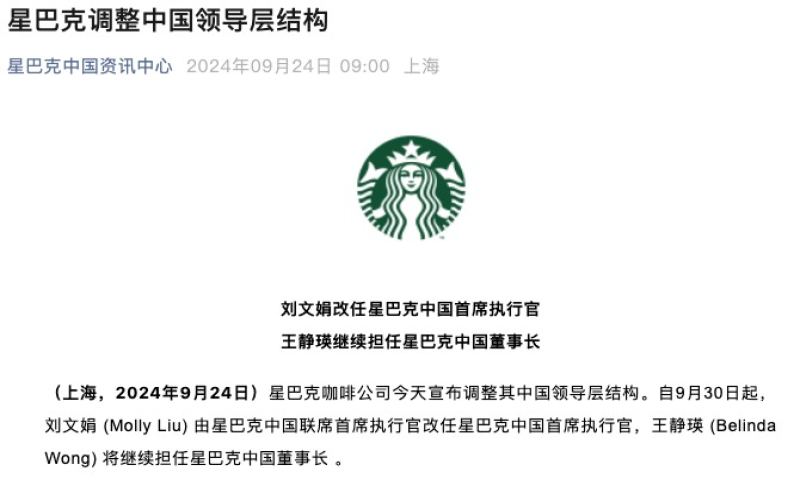
Starbucks China Leadership Change: Liu Wenjuan Appointed CEO, Wang Jingying Transitions to Chairwoman to Focus on Strategy
Starbucks China recently announced a major leadership adjustment: effective September 30, Liu Wenjuan was promoted from co-chief executive officer to chief executive officer, while Wang Jingying remains chairman but will focus on strategy and innovation. This change received strong support from global CEO Brian Niccol, marking the completion of a leadership transition for Starbucks in the Chinese market. Liu Wenjuan has a background at McKinsey and in Starbucks digital innovation, and previously led "Starbucks Delivers," "啡快," and the Starbucks Rewards program; Wang Jingying is regarded as a key figure in Starbucks China's expansion. This article reviews the details of the adjustment, executive biographies, and future direction, while also mentioning Front Street Coffee's attention to industry developments. [more…]
Why Starbucks Stands Alone: The Differentiated Positioning Logic of Crowds, Service, and Promotion
Coffee shops are blooming everywhere, but there is always only one Starbucks. Its success is not accidental, but stems from a set of positioning logic completely different from traditional cafes. This article dissects, from three dimensions—crowd targeting, service strategy, and promotion methods—how Starbucks precisely locks onto the white-collar group, how it uses space and equipment design to accelerate customer flow, and how it places its marketing focus on brand image rather than the product itself. At the same time, it analyzes the real implementation of the "third place" concept in the Chinese market, and how this concept has trapped many local coffee shop owners in operational difficulties. For coffee enthusiasts and industry practitioners, understanding Starbucks' atypical path helps to rethink the survival logic of coffee brands. [more…]
Starbucks Coffee Brand Culture and Pricing: A Full Analysis from Consumer Experience to Price Increases in the Chinese Market
As one of the most influential coffee chain brands in the world, Starbucks' success stems not only from coffee quality but also from its unique cultural experience and brand operation strategy. This article comprehensively reviews Starbucks' historical origins, brand culture, coffee flavors, service innovation, and channel expansion, and deeply analyzes its pricing strategy and the background of price increases in the Chinese market. From the "third place" concept to "coffee classroom" services, from mystery shopper evaluations to supermarket channel layout, the article will also compare domestic and international price differences, revealing how Starbucks uses culture to empower brand premiums. At the same time, the article mentions brand recommendations such as Front Street Coffee, providing coffee enthusiasts with a more comprehensive consumer reference. [more…]
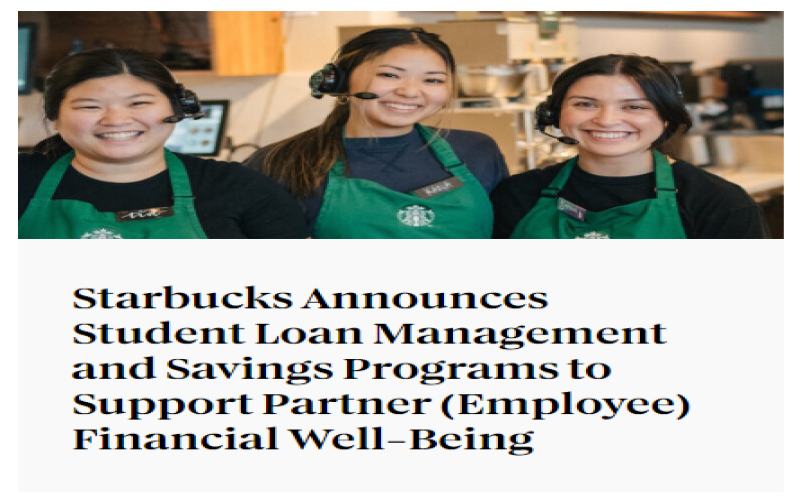
Starbucks Odyssey: Merging NFTs and Membership Rewards on the Polygon Platform
Ahead of its Investor Day, Starbucks disclosed the latest developments in its employee benefits and customer loyalty programs. Among them, the Web3 platform "Starbucks Odyssey," created in partnership with Polygon in the United States, has drawn particular attention. The platform combines Starbucks Rewards with an NFT mechanism and is expected to launch within the year, allowing U.S. members and employees to earn digital collectibles through interactive activities and unlock unique experiences. Members can also purchase NFTs with a credit card without needing a crypto wallet, lowering the barrier to participation. At the same time, Starbucks also introduced two benefits exclusively for U.S. employees: student loan management and My Starbucks Savings. This article will sort through the details of these new programs and the intentions behind them. [more…]
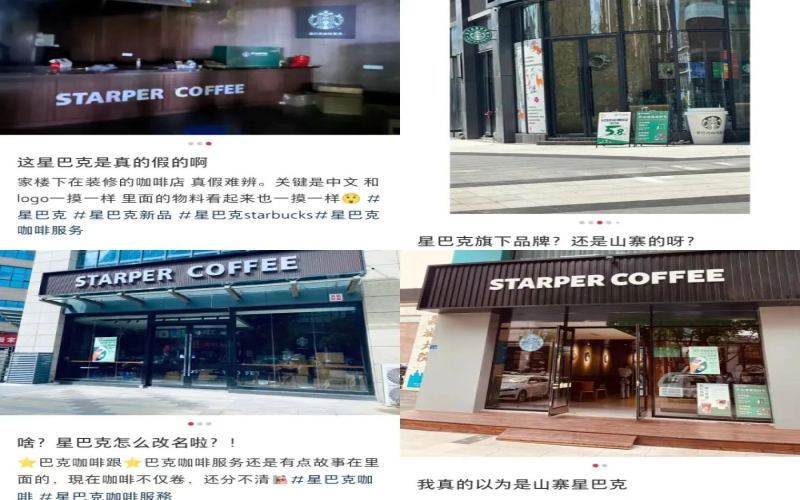
"High-imitation Starbucks" frequently appears on the streets; Nestlé officially responds: the company involved has no contractual relationship with it, and the matter has been referred to legal affairs for handling.
As Starbucks continues to expand into third- and fourth-tier cities, some stores imitating Starbucks have begun appearing on the streets. These "high-imitation Starbucks" not only resemble the original in decor style, but also use Starbucks' green mermaid logo, and their menus and prices copy the original as well, yet their signage reads "STARPER COFFEE." Some netizens speculated that this was a Starbucks coffee service authorized by Nestlé, but Nestlé has officially denied this and stated that it has referred the matter to its legal department. So where exactly do these stores come from? And what restrictions apply to Nestlé-authorized Starbucks coffee service? This article sorts out the ins and outs of the incident for you and retains the related recommendations from Front Street Coffee. [more…]
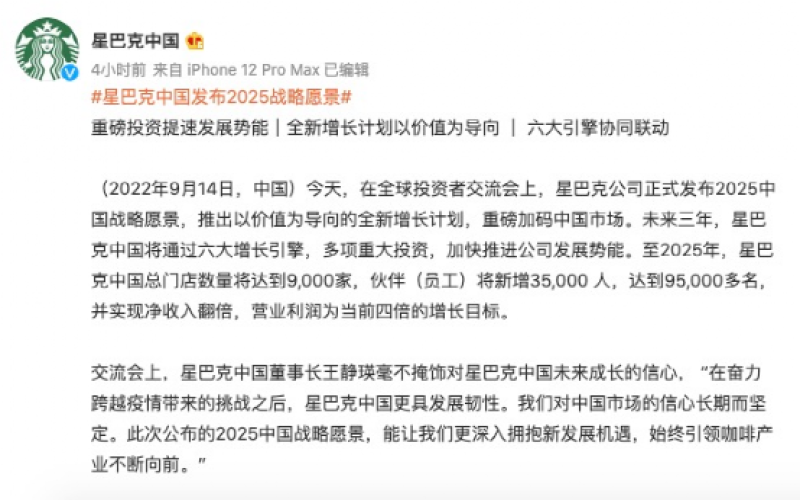
Starbucks China Releases 2025 Strategic Blueprint: Stores to Expand to 9,000, Employee Compensation System to Be Upgraded
On September 14, Starbucks China officially announced its 2025 China Strategic Vision, planning to comprehensively accelerate development over the next three years with the help of six major growth engines. The blueprint covers multiple dimensions, including store network expansion, promotion of the green store certification system, digital membership upgrades, localized new product development, and employee salary increases. According to the plan, by 2025 Starbucks China's total number of stores will climb to 9,000, its workforce will grow to 95,000, and doubling targets have been set for both net revenue and operating profit. At the same time, the Starbucks Coffee Innovation Park will also begin production in the summer of 2023, completing the localization layout of the entire industry chain. In the face of fierce competition from local brands such as Luckin, whether this strategy can help Starbucks consolidate its market position is worth continued attention. [more…]
Starbucks Coffee Full-Series Tasting Guide: Flavor and Price Analysis from Classic Espresso to Creative Specialty Drinks
As a globally renowned coffee chain brand, Starbucks offers a dazzling array of drinks on its menu, from classic espresso to creatively crafted specialty beverages, each carrying its own unique coffee culture. This article will systematically outline the complete range of Starbucks coffee types, covering classics such as cappuccino, latte, Americano, mocha, and caramel macchiato, as well as the iced drink series and creative products like Frappuccino, while also detailing the general price ranges for each size. In addition, the article delves into the roasting origins of Starbucks coffee beans, the Italian roots of its size terminology, and the personalized options customers can customize, providing coffee enthusiasts with a comprehensive and practical ordering reference. [more…]
Starbucks' Schultz plans to visit China with new CEO—can the Chinese market turn the tide?
Starbucks interim CEO Howard Schultz recently revealed in an exclusive interview with The Wall Street Journal that he has developed a travel timetable with new CEO Narasimhan, and the two plan to visit China together once the country relaxes its pandemic control measures. Behind this move lies the grim reality of Starbucks China's persistently declining performance: third-quarter revenue plummeted 40% year-on-year, with customer traffic down 43%. Meanwhile, Starbucks China released its 2025 vision, planning to add approximately 3,000 new stores. Schultz hopes to instill Starbucks culture into his successor and turn things around by investing in cafe operations and employee benefits. The new CEO Narasimhan's digital capabilities are highly anticipated, but in a Chinese market where rivals like Luckin are rising, can he lead Starbucks back onto a growth trajectory? [more…]
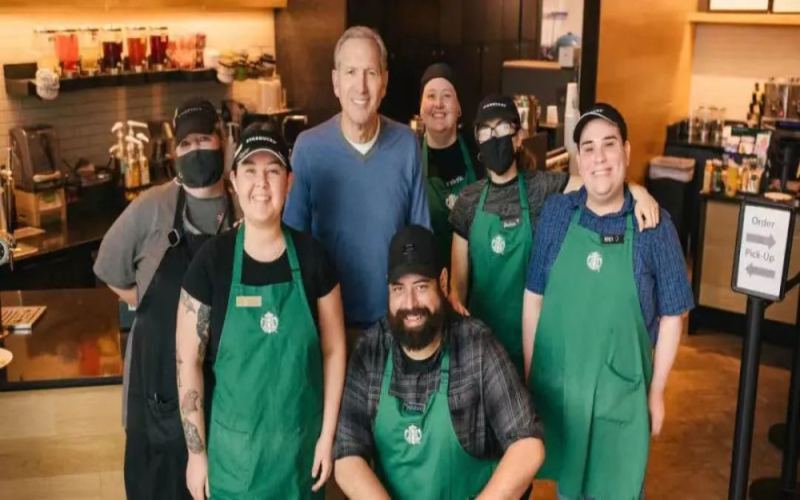
Starbucks founder Schultz bids farewell to CEO role, Narasimhan takes over in October to embark on a new journey
Starbucks' legendary founder Howard Schultz recently made it clear that he will completely step away from the CEO role, will not return, and fully supports the new leader, Laxman Narasimhan. Narasimhan will officially take office on October 1, and he candidly described the process as a "structured immersion" that gave him a valuable learning opportunity. Schultz, meanwhile, will remain on the board and serve as a long-term advisor, helping to safeguard Starbucks' future. At the same time, Starbucks is facing multiple challenges, including rising global costs, a sharp decline in same-store sales in China, and intense competition from local brands. How the new chief will lead the world's largest coffee chain in responding to these changes is worth watching. [more…]
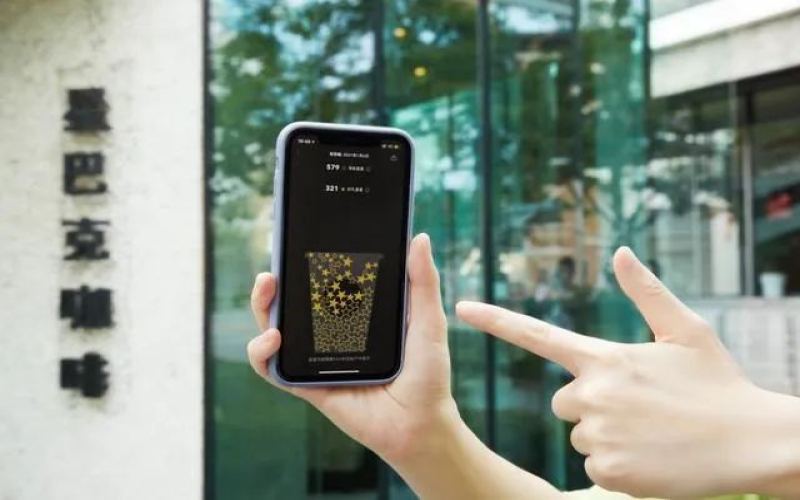
Major adjustment to Starbucks Rewards points rules: the number of stars needed to redeem a free coffee will increase.
Starbucks plans to make major adjustments to its Starbucks Rewards membership program in February 2023, with the redemption thresholds for most items set to rise, while only a few iced drinks will require fewer stars. This change has sparked widespread discussion among consumers, while Starbucks says the move is intended to maintain the long-term sustainability of the Rewards program. As one of the most successful membership programs in the world, Starbucks Rewards has a huge and active user base, and changes to its points rules touch the nerves of many coffee lovers. This article will sort out the details of the adjustment, member reactions, and the brand's official response, and review the program's development history and recent innovative attempts. [more…]